Doctors say pollution is intensifying arthritis symptoms
Experts link worsening joint pain to toxic air as pollution spikes in Delhi–NCR
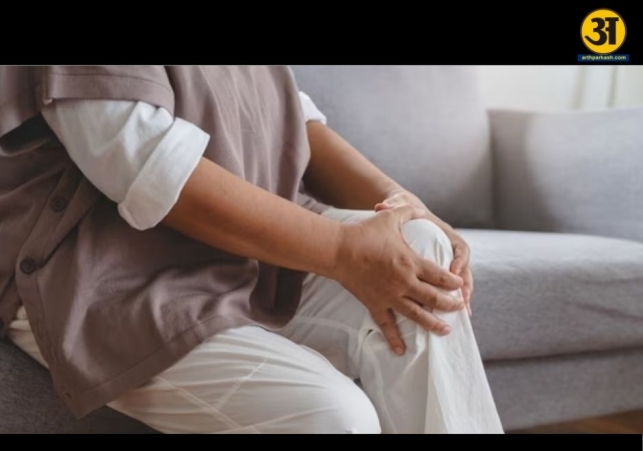
As winter sets in across Delhi–NCR, the weather is bringing more than just cold mornings and foggy skies. Doctors in the region are seeing a clear rise in patients complaining of joint pain, especially those who already suffer from arthritis. Even though exact numbers are not available, physicians say the trend has become strong and noticeable over the past two months. The combination of cold air and dangerous pollution levels — particularly PM2.5 particles — is putting extra stress on people’s joints.
A study published in the European Medical Journal in 2025 showed that long-term exposure to fine particulate matter (PM2.5) may increase the risk of developing arthritis by 12–18%. This finding supports what doctors in Delhi–NCR are observing every winter: bad air quality makes joint pain worse. The cold weather alone can be difficult for arthritis patients because low temperatures cause blood vessels to contract, muscles around joints to tighten, and tissues to stiffen. All of this leads to reduced mobility and more discomfort.
However, the emerging concern is how polluted air adds to these problems. PM2.5 particles are extremely small, meaning they can enter the lungs and even move into the bloodstream. When this happens, they trigger inflammation throughout the body. For arthritis patients — especially those with Osteoarthritis (OA) or Rheumatoid Arthritis (RA) — this inflammation aggravates joint swelling, pain, and stiffness. Doctors point out that this seasonal combination functions like a “double attack” on the joints.
Pollution-related inflammation is not limited to the lungs. Studies show that exposure to PM2.5 can raise CRP (C-reactive protein) levels, a marker of inflammation in the body. High CRP levels are commonly found in people with arthritis, and pollution can push these numbers even higher. This can speed up joint degeneration and make flare-ups more frequent.
Another important factor is reduced physical activity during winter. When pollution levels are high, many people avoid going outside. The cold air also makes outdoor exercise uncomfortable. As a result, individuals — especially the elderly — stay indoors and reduce their daily movement. This lack of activity worsens stiffness and causes the joints to become weaker. Doctors emphasise that regular movement is essential for keeping arthritis under control.
Dr Arvind Mehra, Senior Director & Head of Orthopaedics & Trauma at Paras Health Gurugram, says he has seen a clear increase in arthritis complaints recently. “Cold temperatures reduce blood supply around the joints, making them stiffer. At the same time, inhaled pollutants stimulate inflammatory pathways, which worsen pain and swelling,” he explains. According to him, both osteoarthritis and rheumatoid arthritis patients are facing stronger symptoms because of this combination. He advises people to stay warm, remain active indoors, manage flare-ups quickly, and seek medical help whenever necessary. Early treatment and consistent care can prevent long-term damage.
How polluted air affects joints and slows recovery
Joint specialists say there is now enough evidence to show that polluted air affects the joints just as it affects breathing. Dr Simon Thomas, Director and Head of Robotic Joint Replacement & Reconstruction at Max Healthcare, explains that PM2.5 does not simply settle in the lungs. These tiny particles enter the bloodstream and spread throughout the body, causing swelling that can harm the joints. Over time, people living in polluted areas may experience more frequent joint pain and slower recovery after surgery.
Dr Thomas notes that patients in heavily polluted cities tend to take longer to heal after joint replacement operations. Their joints also tend to become painful again more easily. In these conditions, managing arthritis requires more than medical treatment. Patients need to be aware of environmental risks as well, because ignoring pollution can undo the benefits of medication or physiotherapy.
ALSO READ: New strategies aim to reshape global tech growth and future manufacturing
ALSO READ: Kejriwal’s swift ascent contrasts with Kishor’s early setback in debut political battles
Doctors say that to manage arthritis effectively during Delhi’s winter, patients need a balanced approach. Medication remains important, but it must be supported by lifestyle changes and environmental awareness. Experts recommend the following steps:
-
Stay physically active indoors through stretching, yoga or light exercises
-
Keep the home warm, especially early in the morning and at night
-
Use air purifiers in bedrooms and living areas
-
Check the Air Quality Index (AQI) daily
-
Avoid going outdoors when pollution levels are severe
-
Wear N95 masks if stepping out is unavoidable
-
Maintain a healthy diet rich in anti-inflammatory foods
-
Consult a doctor if stiffness, swelling or pain increases
Doctors say that arthritis patients must not wait for symptoms to worsen before seeking help. Early care can prevent long-term joint damage, reduce swelling, and ease discomfort.
This winter in Delhi–NCR highlights an important truth: our joint health is strongly influenced by the environment we live in. Pollution is no longer only a lung issue — it is becoming a major factor in joint and bone problems. Staying mobile and pain-free now means protecting oneself not just from cold, but also from the toxic air that surrounds the city.
Related News